Wholesale Pilates Grip Socks: How to Choose & Customize In 2026
Q: How do I choose good wholesale pilates grip socks for custom orders?
A: Choose a manufacturer that can prove four things in writing: yarn composition by zone, grip-dot bonding method, wash-durability test results, and bulk-to-sample consistency, because these decide whether the socks still grip after repeated studio use.
Most buyers judge pilates socks the same way. They pick up a sample, feel the fabric, press a finger on the grip dots, and approve it. That is how many wholesalers end up with socks that look right on the shelf but fail after ten washes.
A grip sock is a functional product. Studio members trust it to keep their feet from sliding on a reformer, so a failed pair is a safety complaint, not just a cosmetic flaw. If you buy wholesale or develop a custom line, you need to evaluate the sock the way a manufacturer does.
This guide is written from the factory side of the table. It covers who you are buying for, how grip socks fail, and what to check in yarn, grip construction, production, quality control, compliance and factory strength. It also gives you a scorecard and a first-order checklist you can use immediately.
1. Start With Your Buyer, Not the Sample
"Pilates socks" covers several different products, and the right specification depends on who will use them.
• Studio owners and multi-location chains buy for durability and repeat orders. Socks are washed or worn many times a week, so wash durability and consistent reorders matter more than novelty.
• Boutique retailers and online sellers buy for look, hand feel and margin. Color, packaging and a clean grip pattern drive sell-through.
• Brands and private-label developers buy for differentiation. They need custom knit patterns, custom grip layouts, branded packaging and a factory that can repeat the work season after season.
• Corporate and gift buyers need reliable branding and on-time delivery more than technical performance.
Write down which group you serve before you request quotes. A supplier who asks you this question is usually more experienced than one who only asks for quantity.
2. Choose the Right Style: Toe, Height and Size
Three construction choices shape how the sock performs and who buys it.
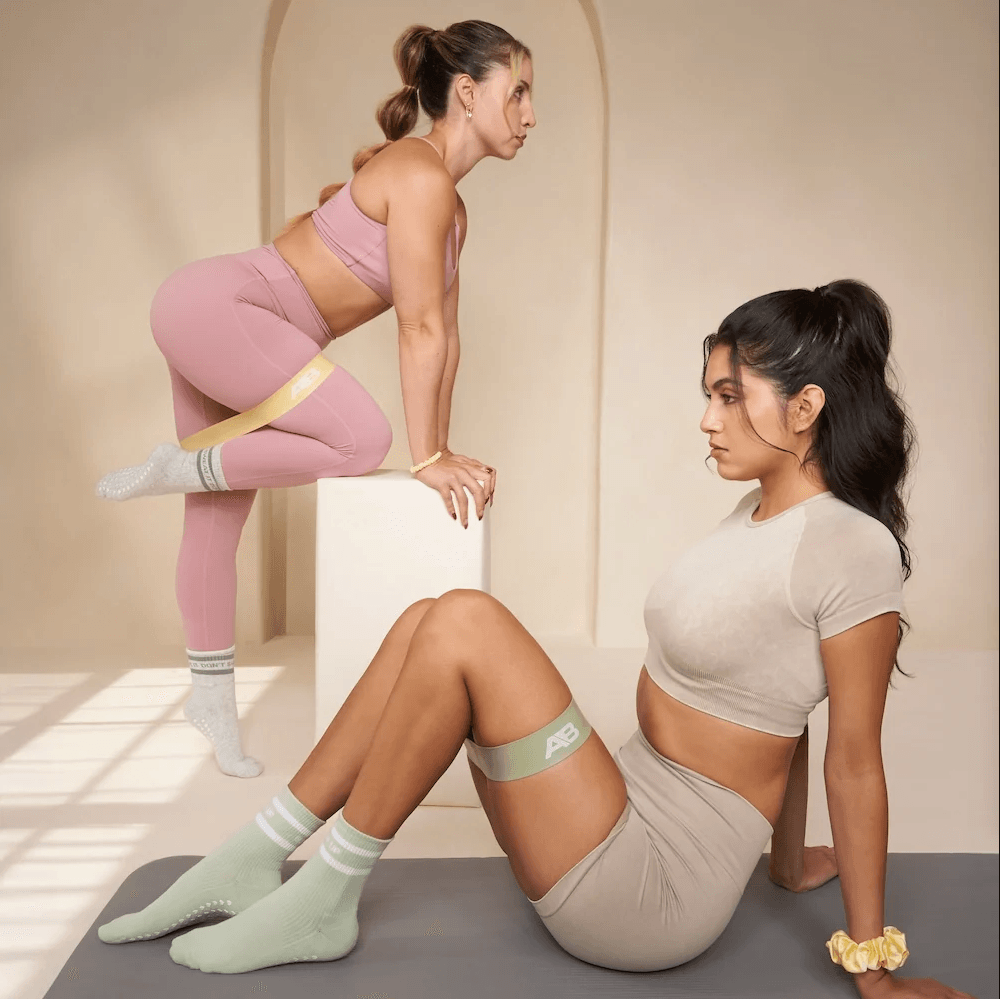
Toe style. Full-toe grip socks are the safest default. They cover the foot, feel familiar and suit most studio settings. Half-toe (open-toe) styles let toes spread and are popular with experienced practitioners. Toeless styles offer the most natural movement but a narrower audience. A common approach is to launch with full-toe designs in neutral colors such as black, charcoal and navy, then add other styles once you see what your customers reorder.
Height. Ankle-length socks are light and flexible for active sessions. Crew and knee-high options add warmth and coverage for cold studios and recovery-focused classes.
Size. Many pilates socks are sold as one size or S/M and M/L. A good factory grades sizes on purpose and gives you a measured size chart, rather than stretching a single pattern to fit everyone. Poor sizing produces slipping inside the sock, which defeats the purpose of the grip.
3. How Grip Socks Actually Fail
Before comparing suppliers, understand what you are protecting against. Grip socks fail in three distinct ways, and each points to a different weakness in the factory.
• Grip peeling: the dots or pattern lift off the fabric. This is usually a bonding problem, meaning poor adhesion between the grip material and the base yarn.
• Grip hardening or cracking: the surface loses flexibility after washing or heat exposure. This usually comes from the grip compound or the curing process.
• Fabric failure: the heel and toe thin out, the cuff loses elasticity, or the sock stretches out of shape. This is a yarn and knitting-structure problem.
When a supplier says "high quality," ask which of these three failures they engineered against and how they know it works.
4. Raw Materials: What the Yarn Tells You
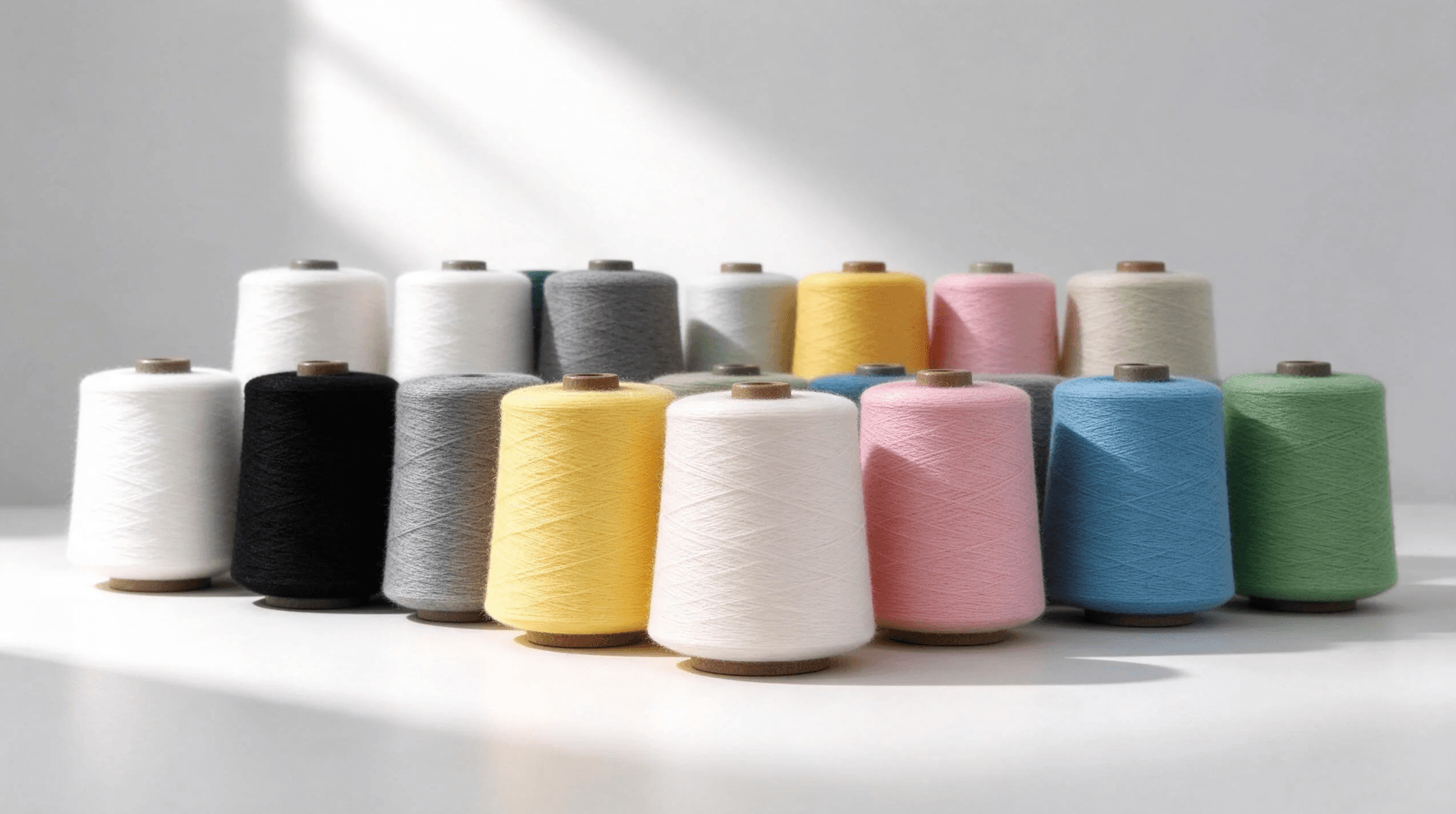
The base fabric determines comfort, moisture handling and shape retention. Most studio-grade pilates socks use a blend instead of a single fiber.
• Cotton or combed cotton gives a soft, natural hand feel and good breathability. It also holds moisture, and a very cotton-heavy blend can lose shape.
• Polyester or moisture-wicking synthetics dry faster and keep their form, which suits high-frequency studio use.
• Nylon (polyamide) adds abrasion resistance at the heel and toe, where wear concentrates.
• Spandex or elastane controls fit and recovery. Too little and the sock bags at the ankle. Too much and it feels restrictive.
• Bamboo or modal blends feel smooth and suit premium or eco-positioned lines, but they need careful construction to survive repeated washing.
What to ask for: exact fiber percentages for each zone of the sock (leg, foot, heel, toe, cuff), not just "cotton blend." A serious manufacturer can supply this immediately. Be cautious of anyone who offers only a rounded or vague composition.
5. Grip Construction: Material, Pattern and Bonding
The grip is the product's core function, so examine it in detail.
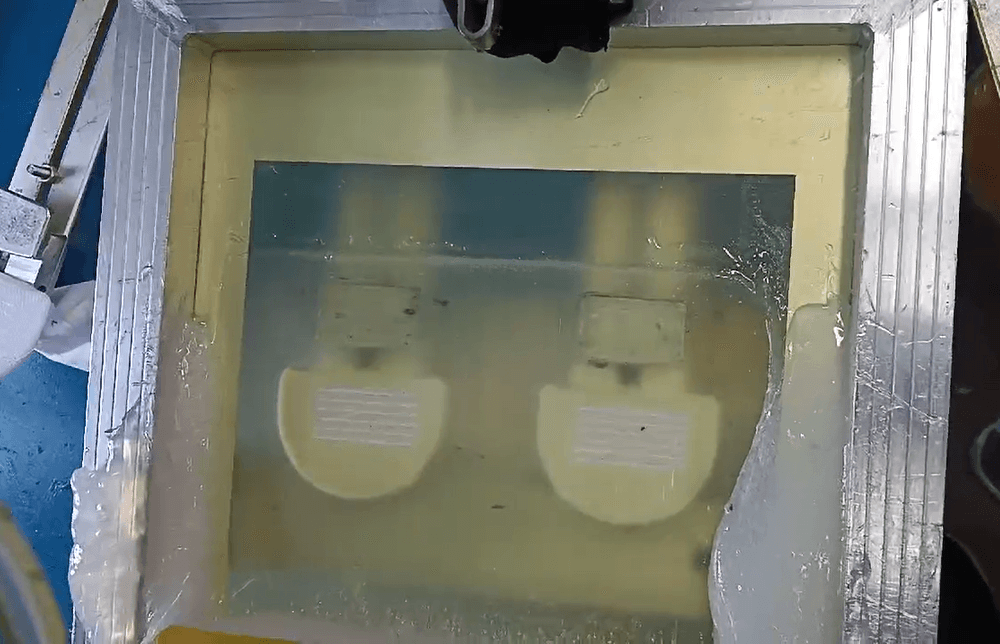
Material. Most grip is silicone or a similar non-slip compound. Ask what it is, how it is applied, and what the curing process looks like.
Pattern and coverage. Dots, lines and full-coverage patterns behave differently. Dots flex easily with the foot. Dense or full coverage gives stronger traction but can feel stiffer and less breathable. Match the pattern to the use case. Reformer work with spring resistance often benefits from firmer traction, while mat and barre classes tolerate a lighter, more flexible grip.
Placement. Good grip sits where the foot actually contacts the surface: the ball of the foot, the heel and the toe area. Badly placed grip leaves bare patches exactly where slipping happens.
The wash test that matters. One published benchmark in the wholesale sock market suggests grip should keep at least 80% of its original traction after 30 machine washes. Treat that as a reasonable starting standard, then ask your manufacturer for its own wash-cycle test data. A supplier that tests this routinely will answer quickly. One that has never measured it will hesitate, and that hesitation tells you what you need to know.
6. Production Process: Where Consistency Is Built
Knitting quality decides whether a sock keeps its shape. Several process details separate studio-grade production from generic production.
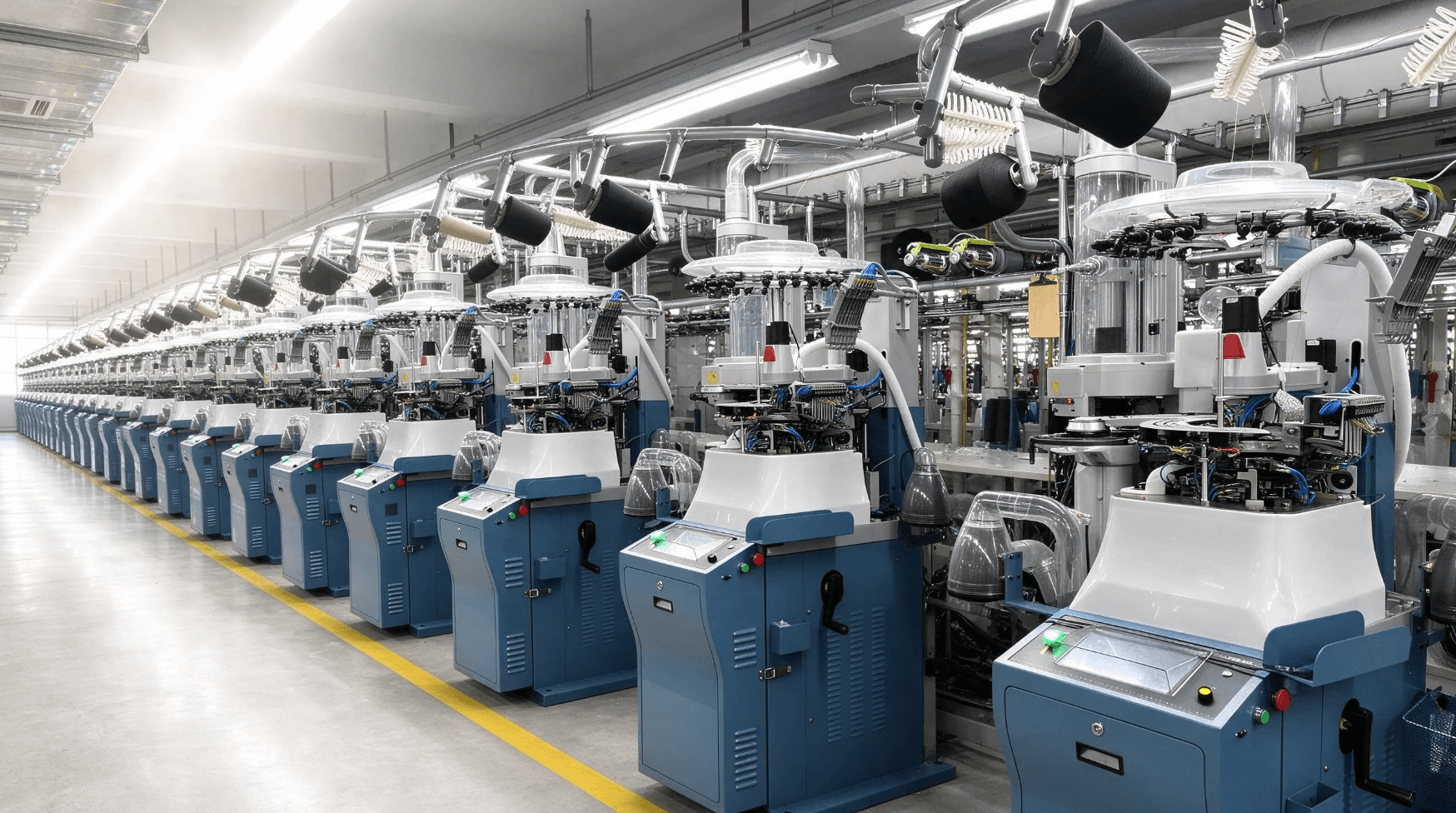
• Knitting machine precision: Modern computerized machines produce tighter, more uniform stitches and cleaner heel and toe construction. A seamless toe closing reduces pressure points, which matters for a sock worn close to barefoot for an hour.
• Pattern and tension control: Consistent tension keeps the sock's dimensions stable from the first pair to the ten-thousandth.
• Dyeing and colorfastness: Dark and saturated colors can bleed in a studio wash. Ask about the dye process and colorfastness testing, especially if you plan bright or contrasting grip colors.
• Logo integration: Custom branding can be knitted in, printed on the grip, or applied to packaging. Knit-in logos tend to last longest. Grip-printed logos need the same bonding quality as the grip itself, so confirm which method is used and how it was tested.
7. Quality Control: Ask for Process, Not Promises
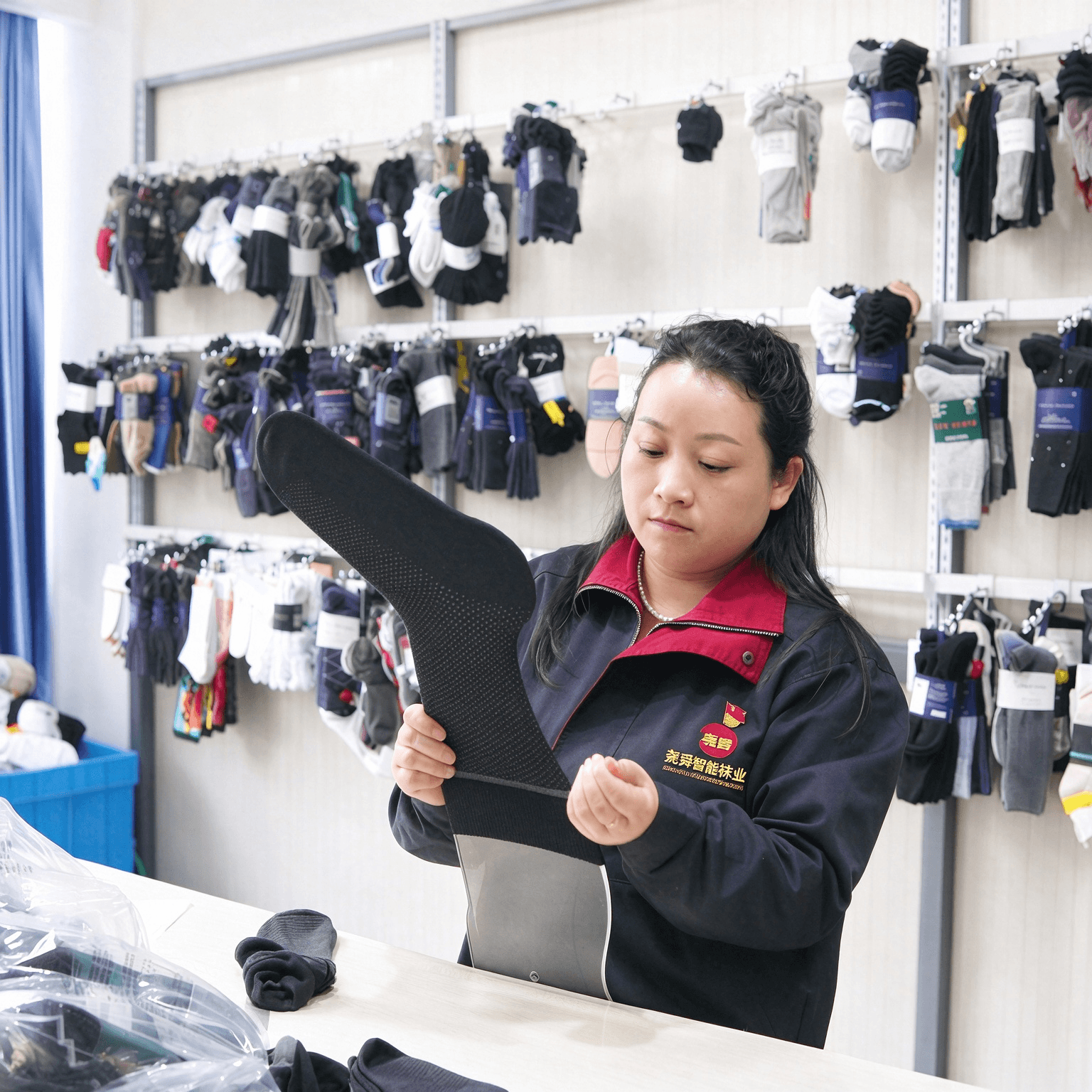
Every factory says it has quality control. The useful question is where in the process inspection actually happens. A dependable system typically includes:
A. Incoming material inspection for yarn and grip compound.
B. In-line checks during knitting and grip application.
C. Final inspection using a sampling plan before packing.
D. Lab-style testing covering wash durability, abrasion, colorfastness and dimensional stability.
E. Pre-shipment records you can request for your specific order.
Ask whether the factory can provide a test report tied to your batch, not a generic report from a different production run. Also ask for the defect policy in writing. Clear terms for replacement or credit tell you the factory expects to stand behind its output.
8. Compliance and Packaging: The Details That Delay Shipments
Socks sold into the US and other regulated markets need correct labeling, fiber content declarations and material safety documentation. Ask your supplier what documents they can provide for your target market, and confirm this before production, not after.
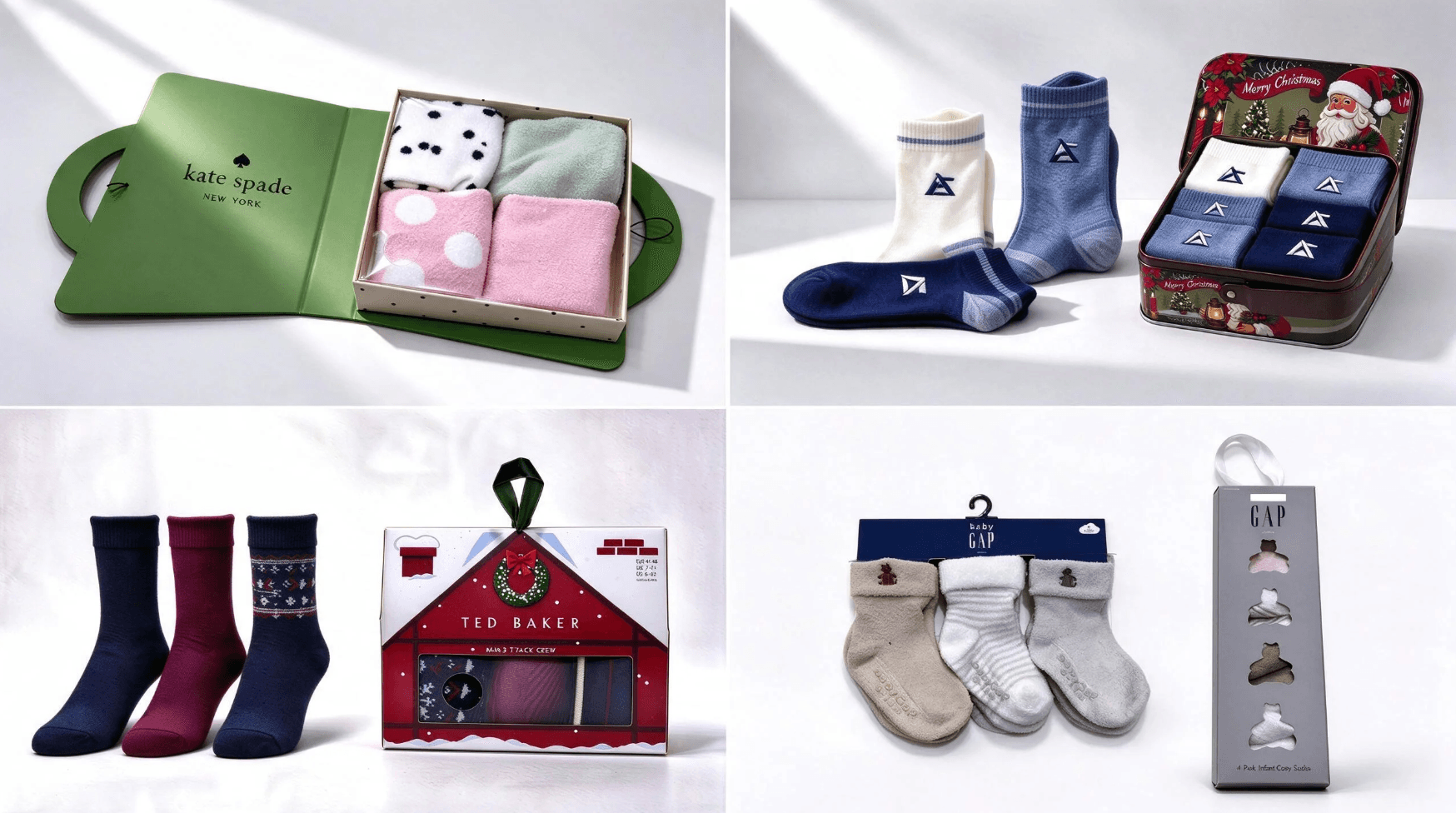
Packaging is part of the product for wholesale and retail buyers. Belly bands, sleeves, dual-packs and branded bags all affect shelf appeal and shipping cost. Confirm packaging options, artwork requirements and carton specifications early, because late packaging changes are one of the most common causes of delay.
9. Factory Strength: Capacity, Stability and Support
A strong sample means little if the factory cannot repeat it at volume. Evaluate capacity and stability alongside quality.
• Scale and equipment: The number and type of knitting machines show whether the factory can absorb your order and a reorder without delay. Yaoshun Socks operates 6,000+ knitting machines, including 1,000+ Lonati machines, with 2M+ pairs of daily capacity and 3,500+ production staff. That scale means growth does not force you to change suppliers.
• Audits and certifications: Ask for factory audit documentation. Yaoshun holds 20+ factory audit certifications, the type of third-party evidence buyers should expect from any manufacturer they trust with branded product.
• R&D and design support: Custom lines need pattern development, grip design and material testing. A manufacturer with its own R&D and design resources, such as Yaoshun's Shanghai R&D and design center alongside its Anhui and Hubei production bases, shortens development time.
• Order terms: Be clear on minimum order quantity early. Yaoshun's MOQ is 1,200 pairs per SKU, which suits brands and wholesalers building a defined collection rather than very small test runs. If your first order is smaller, plan your assortment around fewer designs in more colorways so each SKU reaches the minimum.

10. Price, Margin and What Customization Really Costs
Judge price against the whole product, not the unit cost alone. Marketplace listings show that grip socks retail at roughly $17 to $20 per pair on wholesale platforms such as Faire. One US sock brand reports that custom knit patterns, colorways, grip and packaging add around $1.50 to $3.00 per pair, while enabling retail prices in the low to high twenties. Treat these figures as market reference points, not quotes, and compare them against your own landed cost.
The cheapest quote is rarely the lowest-cost option. A pair that fails after a few washes creates returns, replacements and lost reorders, and those costs usually outweigh a small saving on the unit price.
11. Red Flags to Watch For
• No fiber percentages by zone, only a general description.
• No wash-test data and no willingness to run one.
• Samples that look different from the bulk production photos.
• Vague answers on MOQ, lead time or defect policy.
• No audit documents, or documents that do not match the factory you are dealing with.
• Pressure to pay in full before approving a golden sample.
12. A Simple Supplier Scorecard
Score each item from 1 to 5 and compare suppliers side by side.
| Area | What to verify |
| Yarn | Zone-by-zone fiber percentages |
| Grip bonding | Wash-test data, peel resistance |
| Knitting | Machine type, seamless toe, size grading |
| Color | Colorfastness results |
| QC | Stages of inspection, batch-specific reports |
| Capacity | Machines, daily output, lead time |
| Compliance | Audit documents, material safety records |
| Support | R&D, sampling speed, defect policy |
A supplier who scores well across the board is far safer than one who excels in one area and stays vague in the rest.
13. How to Run Your First Order
1. Send a written spec sheet covering fiber, grip material, pattern, sizes, colors and packaging.
2. Request a pre-production sample and wash it yourself, repeatedly, before approving.
3. Approve a signed golden sample that bulk production must match.
4. Ask for in-process photos and a final inspection report.
5. Start with core, neutral colors in full-toe designs, then expand into seasonal colors once the first reorder performs.
Final Thought
The best pilates or grip sock is the one that grips on the fortieth wash as reliably as on the first. Judge suppliers on evidence: composition data, bonding tests, inspection records and proven capacity. Do that, and your wholesale or custom line will earn repeat orders instead of returns.
FAQ
Q1: What is the best material for wholesale pilates socks?
A blend of cotton or combed cotton for comfort, polyester or nylon for durability and moisture control, and spandex for fit retention. The right ratio depends on whether you target studios (durability) or premium retail (softness).
Q2: What MOQ should I expect for custom grip socks?
It varies by manufacturer. Some published ranges start around 500 pairs, while Yaoshun's MOQ is 1,200 pairs per SKU. Ask whether the MOQ applies per design or per color.
Q3: How can I test whether the grip will last?
Wash samples repeatedly and compare traction, then check for peeling, cracking or stiffness. Ask the manufacturer for its own wash-cycle data as well.
Q4: Full-toe, half-toe or toeless: which should I stock first?
Full-toe in neutral colors (black, charcoal, navy) is the safest starting point for most studios and retailers. Add half-toe and toeless styles once you know your customers' preferences.
Q5: Can I put my logo on custom pilates socks?
Yes. Common options are knit-in logos, grip-printed logos and branded packaging such as belly bands or sleeves. Knit-in branding is usually the most durable.
Q6: What should a quality inspection report include?
Batch number, inspection stages, defect rate against the agreed standard, and test results for wash durability, colorfastness and dimensions.
Q7: How long does custom sock production usually take?
It depends on sampling rounds, design complexity and order size. Confirm separate timelines for development samples, bulk production and shipping before you commit.
Q8: How do I know a factory can handle repeat orders?
Check machine count, daily output, workforce, audit documents, and whether they can show consistent results across multiple batches.