
From Design to Production: Crafting Custom Made Socks with the Perfect Material
Creating custom made socks involves a fascinating journey from design to production. This process requires a combination of creativity, technical expertise, and an understanding of the perfect materials to ensure comfort and durability.

The Initial Design Phase
The first step in crafting custom socks is the design phase. This involves brainstorming and sketching ideas that align with the brand's vision and the client's needs. Designers often collaborate with artists to create unique patterns and color schemes.
During this stage, digital tools are often used to visualize the sock design. Software allows designers to experiment with different patterns and textures, ensuring that the final design is both aesthetically pleasing and functional.
Understanding the Client's Vision
Understanding the client's vision is crucial. Designers must communicate effectively with clients to capture their requirements and preferences. This involves discussing themes, colors, and any specific details that need to be incorporated into the sock design.

Selecting the Perfect Material
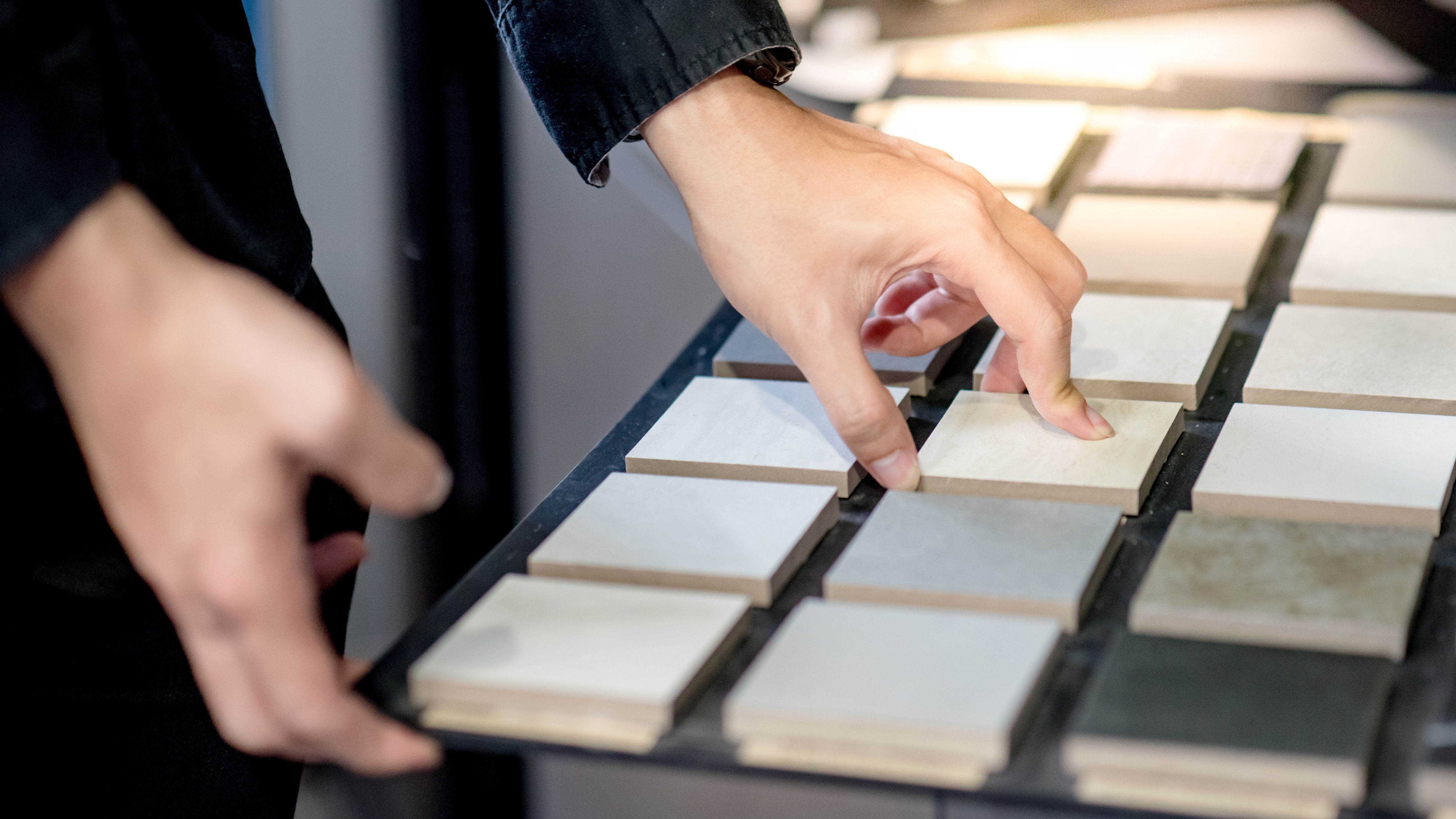
Choosing the right material is a critical step in the production of custom socks. The material affects not only the look and feel of the socks but also their performance and longevity. Common materials include cotton, wool, and synthetic blends.
Cotton is known for its softness and breathability, making it a popular choice for everyday wear. Wool, on the other hand, is excellent for thermal insulation, ideal for winter socks. Synthetic blends offer durability and flexibility, often used in athletic socks.
Balancing Comfort and Functionality
It's essential to balance comfort with functionality. The choice of material should reflect the intended use of the socks, whether for casual wear, sports, or fashion. Designers often consider factors like moisture-wicking properties and elasticity.
From Prototype to Production
Once the design and materials are finalized, the next step is prototyping. A prototype allows designers to test the design and make necessary adjustments before mass production. This stage is crucial for ensuring the socks meet quality standards.
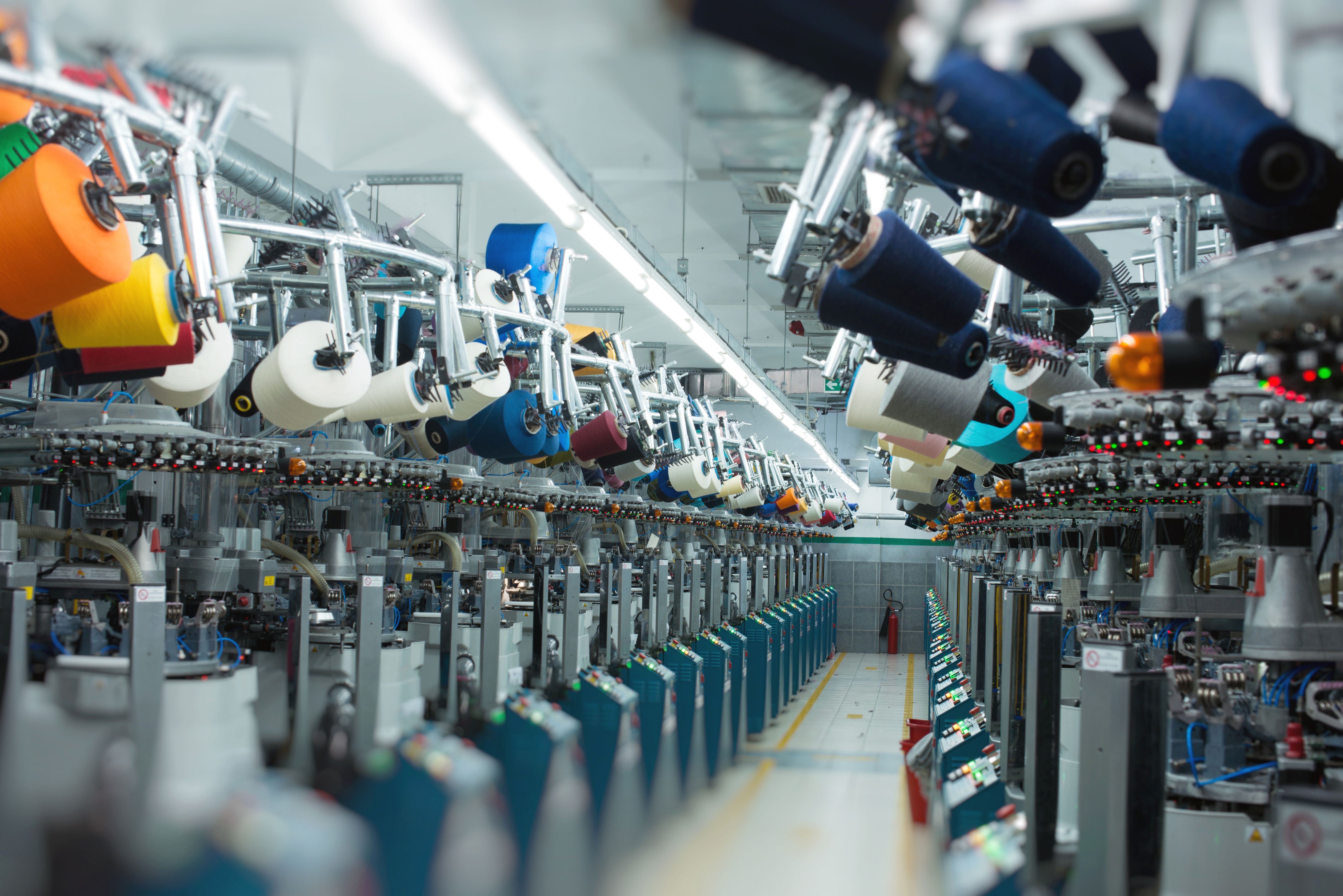
After successful prototyping, the production phase begins. Manufacturers use specialized machines to knit the socks, following the specifications provided by the designers. Quality control checks are conducted throughout this process to ensure consistency and excellence.
Ensuring Quality and Durability
Quality and durability are paramount in custom sock production. Manufacturers implement stringent quality control measures to identify any defects. This ensures that the final product not only looks good but also provides long-lasting comfort and performance.
The journey from design to production in crafting custom made socks is a meticulous process that combines art and science. By choosing the right materials and paying attention to detail, designers and manufacturers create socks that are both stylish and functional, tailored to meet the unique needs of each client.