
Expert Tips for Selecting Materials for Custom Socks
Understanding the Basics of Sock Materials
When creating custom socks, selecting the right materials is crucial to ensuring comfort, durability, and style. The material you choose can significantly impact the overall quality of your socks. Understanding the different types of materials available is the first step in making an informed decision.
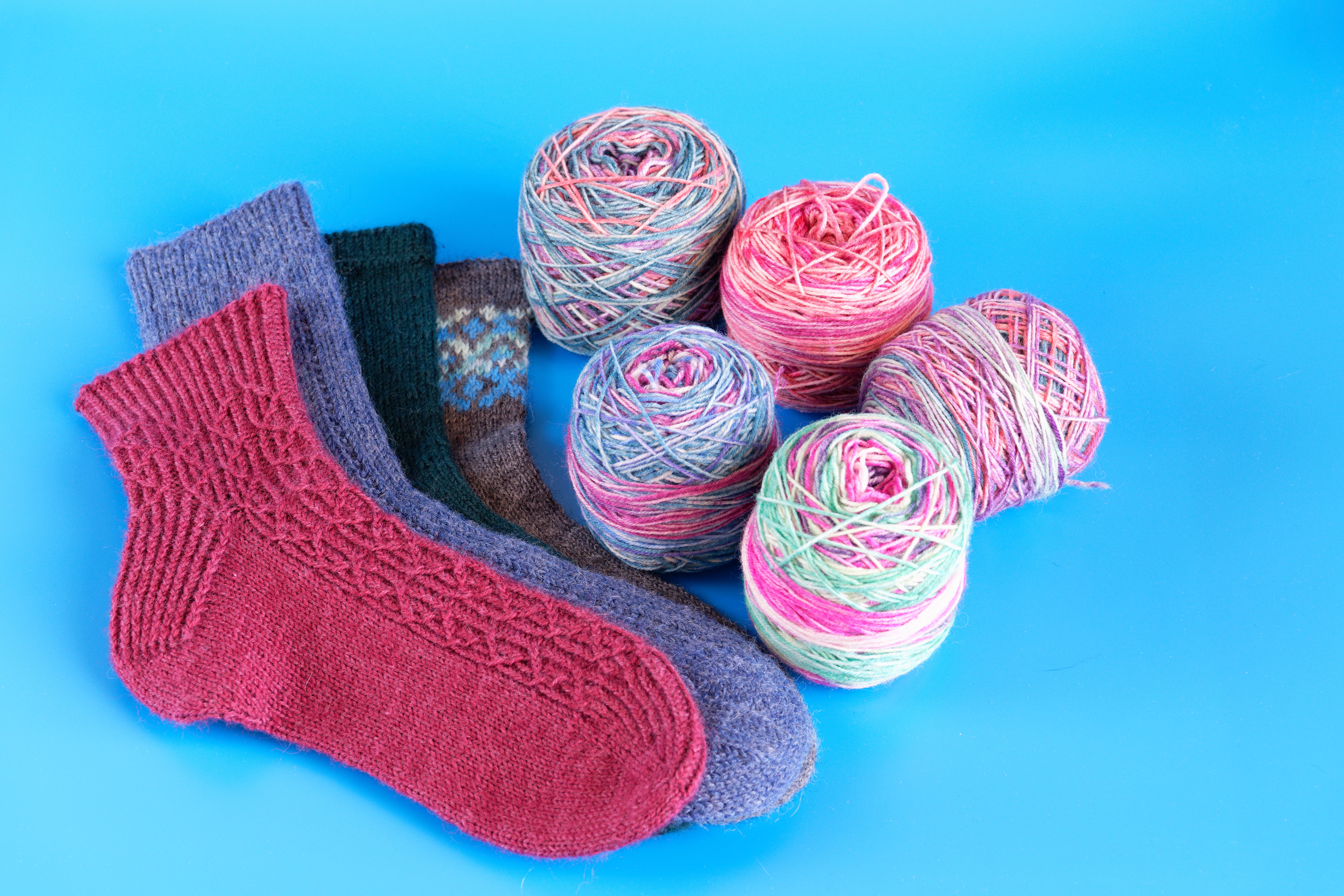
Common materials for socks include cotton, wool, polyester, and blends of these fibers. Each material has unique properties that cater to specific needs. For example, cotton is known for its softness and breathability, while wool offers excellent warmth and moisture-wicking capabilities.
Key Factors to Consider
Comfort and Fit
Comfort is paramount when selecting materials for custom socks. The right fabric will provide a snug fit without being too tight. Consider the elasticity and softness of the material. Blends that include a percentage of spandex or elastane can enhance stretchability, ensuring a comfortable fit for various foot sizes.
Durability and Longevity
Durability is another important factor. Socks endure a lot of wear and tear, so choosing a material that can withstand frequent washing and usage is essential. Polyester blends are often favored for their strength and resistance to shrinking, making them a popular choice for socks.
Specialized Needs and Preferences
Moisture-Wicking and Breathability
For those who require moisture-wicking properties, materials like merino wool or polyester blends are ideal. These fabrics help keep feet dry by drawing moisture away from the skin, making them perfect for athletes and those living in warm climates.
Breathability is equally important, especially for everyday wear. Cotton blends, particularly those with a mesh design, can provide airflow, reducing the risk of overheating and odor.

Eco-Friendly Options
As sustainability becomes increasingly important, many are opting for eco-friendly sock materials. Organic cotton and recycled polyester are excellent choices for those looking to reduce their environmental impact. These materials offer similar benefits to their traditional counterparts while promoting sustainability.
Making the Final Decision
When deciding on the best material for custom socks, it's essential to balance comfort, durability, and specific needs. Consider the end-use of the socks and the preferences of the intended wearer. Whether it's for athletic performance, daily comfort, or eco-conscious living, there's a material suited for every requirement.
By understanding the properties and benefits of different materials, you can make an informed choice that aligns with your goals, ensuring that your custom socks are both functional and stylish.